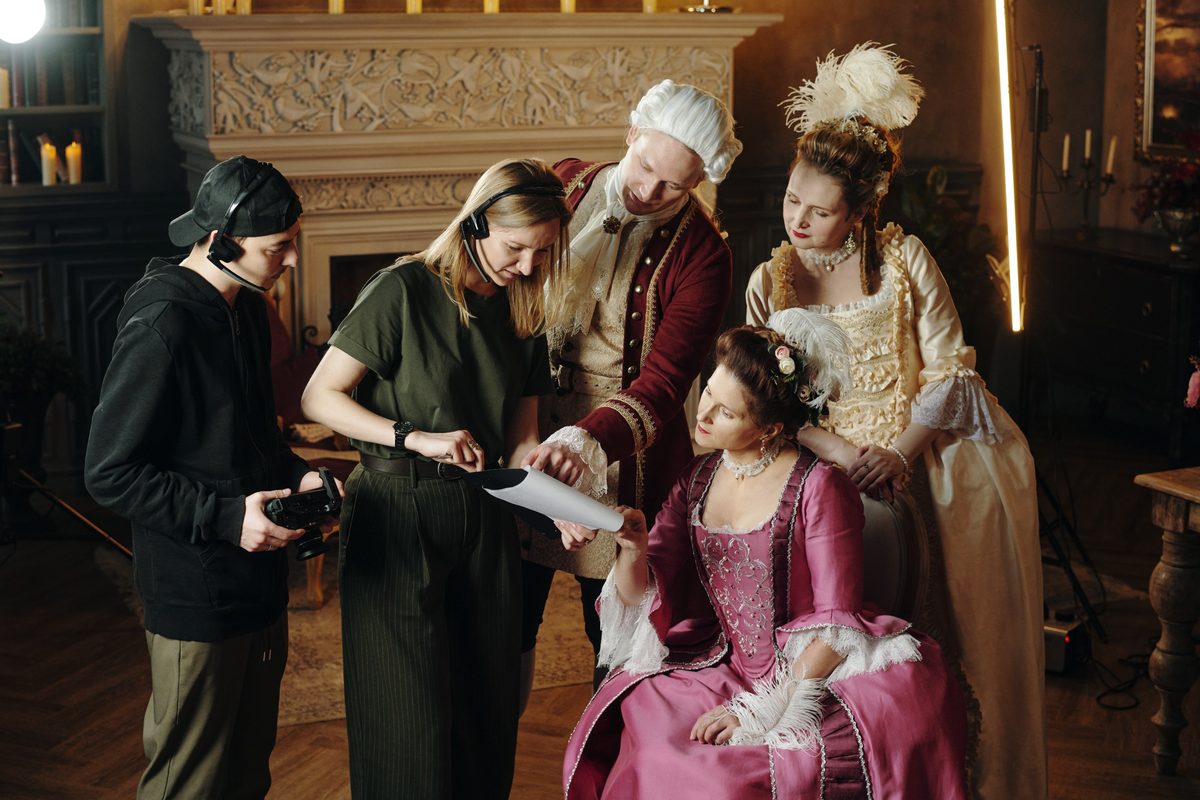


A hair and make-up trainee is the most junior grade in the department. Before that comes stage 0: a recognised film and television make-up course, which is expensive, so research it before you pay. As a trainee you open the room before the artists, set up and turn round the workstations, keep towels, brushes and consumables clean and stocked, take the continuity photographs, keep the fittings sheets, charge the camera batteries, put on the wash, make the coffee, and do basic make-up and hair in the crowd room when the department is pushed. Stage 1 is the training, the kit, hygiene and the rules on pay and safety. Stage 2 is unpaid experience and references: student and no-budget shorts, testings, theatre, bridal and fashion, and a first Trainee Finder application. Stage 3 is paid trainee weeks on features and high-end TV, a portfolio and designers who ring you. Mark each line done, next or later.
Read the career guide for what the job involves day to day.
Stage 1: Before your first job
33 things to do, know or be able to do
Experience 10
- Attend make-up school at one of the recognised film and television schools, such as Delamar Academy in Ealing, the Iver Academy at Pinewood Studios or the Christine Blundell Makeup Academy in London, and ask the questions in the careers guide before you pay.
- Or take a VTCT or City and Guilds Level 3 diploma in theatrical, special effects and media make-up, or in hairdressing or barbering, at a college; ScreenSkills lists these as routes in, and salon experience counts.
- Whilst studying take work experience placements if offered via the school; source your own if not.
7 more lines
Skills 12
- Can you apply basic make-ups and create certain looks?
- Do you know how to work to a brief?
- Can you work to a deadline?
9 more lines
Knowledge 11
- Research all areas of the industry to know where make-up is employed.
- Find NASMAH, the National Association of Screen Make-up Artists and Hairdressers, through its Facebook page (its website was not serving in September 2026) and ask about Freshman membership; they are willing to help, so call.
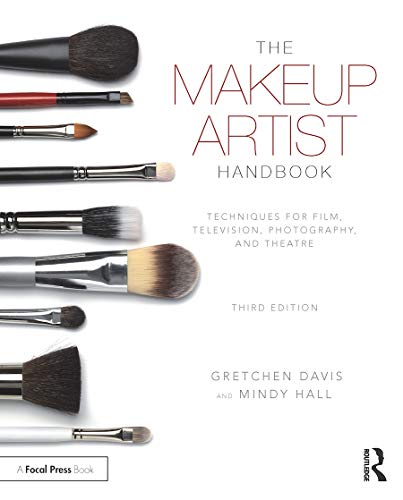
- Read The Complete Make-up Artist by Penny Delamar (3rd edition).
8 more lines
Stage 2: Experience and contacts
28 things to do, know or be able to do
Experience 11
- Apply to the ScreenSkills Trainee Finder (hair and make-up is one of its 11 departments) in the autumn application window for the programme year that starts on 1 April.
- Ask your school's tutors and alumni about trainee positions on feature films.
- Send your CV to productions that are crewing up: the British Council's UK Films Database and The Knowledge show what is going into production, and designers and supervisors announce crewing on their own social media.
8 more lines
Skills 8
- Should be able to work on a variety of faces, men and women, and every skin tone.
- Do you know how lighting affects your work?
- Can you set up, turn round and restock a workstation between artists?
5 more lines
Knowledge 9
- Are you continuing to further your technical skills?
- Do you know the other areas of the industry that offer work?
- Do you know how to work as a trainee on a feature film?
6 more lines
Stage 3: Paid work
22 things to do, know or be able to do
Experience 6
- Have you worked on 3-5 feature films over your two years as a trainee? In the current market allow longer.
- Continue to work on shorts as an artist or assistant to gain experience working at the next level.
- Remain proactive in developing your career, portfolio and CV.
3 more lines
Skills 5
- Can you recreate looks from different eras?
- If finances allow, take short courses run by NASMAH or the make-up schools in wig making, airbrushing, barbering, period hair styling, working with children and SFX.
- Can you work on a principal under supervision: prep the skin, apply, touch up on set and de-rig with hot towels?
2 more lines
Knowledge 11
- Can you fit into an established team on day one?
- Have you established yourself with a network of contacts?
- Do you know how to put people at ease if they do not like having make-up applied?
8 more lines
Ways in for a hair and make-up trainee
Real schemes, checked on the organiser’s own page. A shut one is still here with when it comes back, because half the big schemes are closed at any one time and that is worth knowing.
- Trainee FinderScreenSkillsPeople over 18 who live in the UK and have less than 12 months of paid production experience in their chosen department. No on-set experience is needed, and there is no upper age limit.Final deadline 28 October 2026
- Sara Putt Associates Trainee SchemeSara Putt AssociatesTwo professional credits but under three years' cumulative experience, in Camera, Sound, Edit, Production Office, Art, Costume, AD, Script Supervisor, Locations, or Hair and Make-Up.Final deadline 24 January 2027
- Waterloo Road Production Development Trainee SchemeWall to Wall North and Rope Ladder Fiction, with Screen ManchesterPeople aged 18 or over who live in Greater Manchester and want to work in scripted drama production.Not open right now
Sources and References
This is MFJF’s own three-stage career plan for a hair and make-up trainee, written up from the career plan and the careers guide on our site. Open any of them yourself.
- MFJF career plan: Hair and Make-up Trainee (PDF) the original plan this page was written up from
- MFJF careers guide: Hair and Make-up Trainee what the job involves day to day
- The Three Career Stages the framework all three stages follow
Every link checked 19 September 2026. The plan itself was last revised September 2026.