Join Now For Free
MFJF map · UK

The lighting department

The lighting department: the people and the process

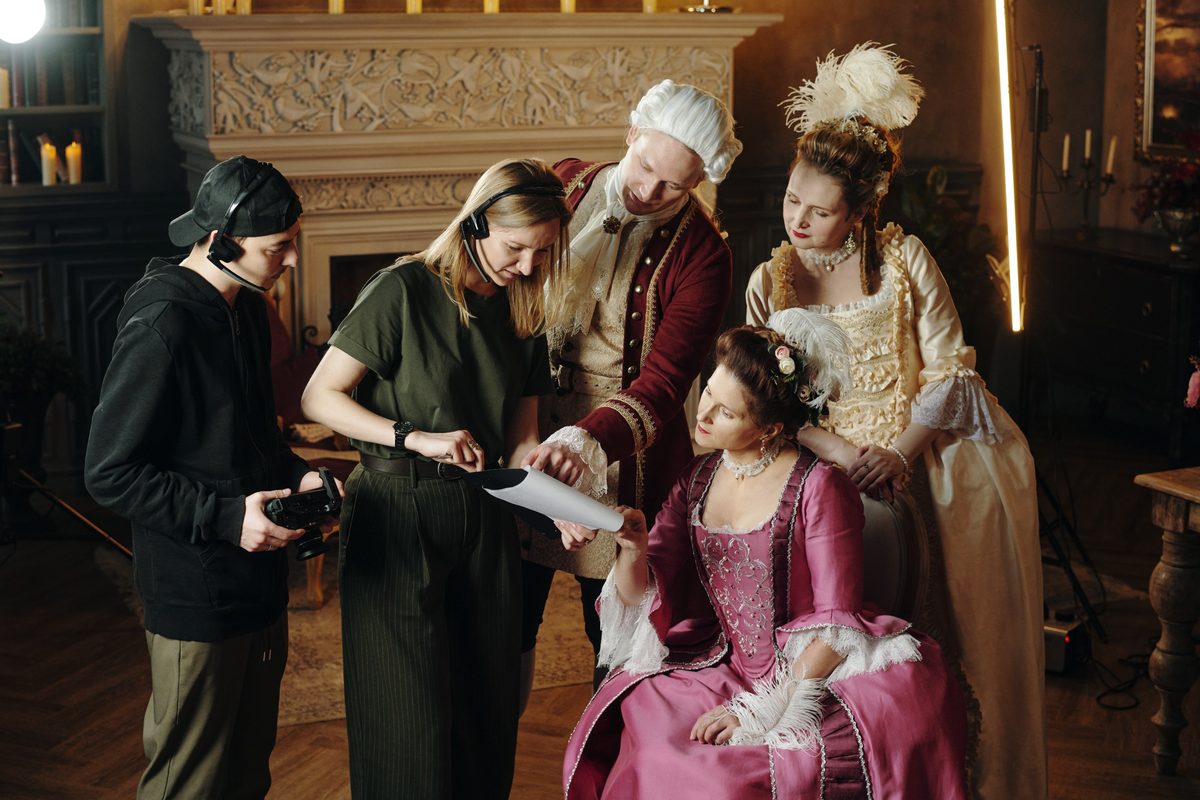
The director of photography is responsible for the image, and three crews work to the DoP: camera captures the picture, lighting makes and shapes the light, grip builds what the camera sits on or moves on. The sparks are electricians by trade and by law: they power the set and rig, operate and de-rig every lamp. In the UK they and the grips are separate crews with separate heads, trucks and trainees, and both are short of people.

MFJF map · UK

The lighting department: the people and the process

The director of photography is responsible for the image, and three crews work to the DoP: camera captures the picture, lighting makes and shapes the light, grip builds what the camera sits on or moves on. The sparks are electricians by trade and by law: they power the set and rig, operate and de-rig every lamp. In the UK they and the grips are separate crews with separate heads, trucks and trainees, and both are short of people.

  1. The lighting crew, top to bottomWho is in it

    A small drama: a gaffer, a best boy, two or three sparks and a trainee. A studio feature: as many as forty across the shooting and rigging crews.

  2. The grips beside themThe other crew at the camera

    In the UK the grips are the camera-support crew only. Everything that shapes or cuts light, from a flag on a stand to a twelve-foot frame of diffusion, belongs to the sparks.

  3. Recce and prepBefore the shoot

    Everything a trainee rigs was decided on a recce, which is why the gaffer's answer to "why there?" is usually "because of the recce".

  4. Pre-rig and the shootOn the floor

    Called before most of the crew; on a pre-light day, they are the crew. Ten to twelve hours on camera, more by the time the truck is closed.

  5. The trainee's dayFrom the truck to the de-rig

    Nobody expects you to know a 2K from a 5K. They expect you to listen, repeat back, carry, put back, ask before you touch power, and keep going at hour eleven.

  6. Where you start, and where it leadsThe bottom rung, and the ladder

    A best boy wants a trainee who already knows how a floor moves, so the first days come from places that do not ask for set experience. The trainee grade itself usually takes two to three years.

Drawn from MFJF's own Lighting and Grip Trainee course (the two crews and who is in them; a trainee's day; the language and the safety; where experience comes from; the industry around the role) and its Lighting and grip department page. The words and the map are My First Job In Film's. © My First Job In Film 2026.


You are not doing this alone

You have your own personal career mentor

That is us, the MFJF team. Book an MFJF Mentor Session with us every month: we guide you through this journey and answer all your questions, from which job is yours to your CV and your next application.

Book my MFJF Mentor Session

Where next

Your recommended next steps

Picked for Lighting and Grip Trainee. Signed in, they follow your stage and the roles your answers point to. See your whole MFJF journey, step by step →

  1. My MFJF JourneyOne page for everything MFJF has built, in the order you need it.
  2. My Reading ListThe books, blogs and bodies you have saved, in one place.
  3. Start the Stage 1 course: Lighting and Grip TraineeTwo hours on what the job is, how people get in and what to do first.
  4. Get on the HotListPut yourself in front of productions looking for crew.
  5. Join MFJF DayPlayersDay work on productions for crew with the credits and the skills.
  6. The career planner: Lighting and Grip TraineeWhat to do, learn and be able to do, from no experience to paid work.
  7. The career guide: Lighting and Grip TraineeThe job, the day, the way in and the pay, in one guide.
  8. See how it all fits on the career maps17 maps of how films get made: the people, the process and the departments.
  9. Who works whereEvery department on a shoot and every kind of film company: who is in each and what they do.
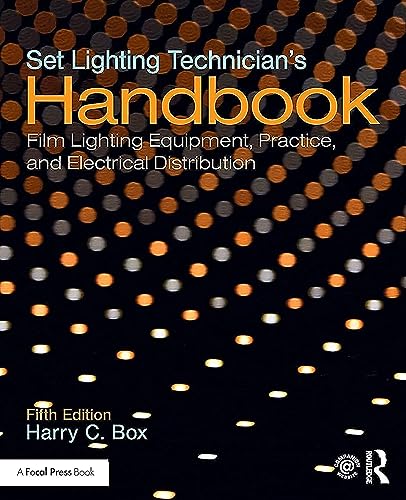
  10. Industry EssentialsThe books, industry bodies, websites and blogs worth knowing, department by department.
  11. Read the MFJF Survival GuidesStraight answers to what everyone starting out asks: how long it takes, what you get paid, and what to do every day.
  12. MFJF Academy workshopsLive sessions with people who do the job, and the monthly career clinic.
  13. Build your CV with the CV BuilderThe industry's format, built from your profile and your current CV.

Matching Lighting and Grip Trainee right now

Live from the job board, the Academy, the mentor programme, the Industry Essentials, the film course directory, Industry News and the competitions open now.

All jobs →
All workshops →
All mentors →
All Industry Essentials →
All film courses →
All Community Blog posts →
All trainee schemes →
All competitions →